


Le Plan-de-la-Tour, hamlets, blue granite and shaded squares
Le Plan-de-la-Tour stands out through its hamlets, its squares and its geological substance. Blue granite, woodland and dispersed settlement give the village a very particular tone.


Find the articles published around our classic car pages, walks, villages, heritage and local life. Each article extends a main page on the site and explores one precise subject in more depth.
Le Plan-de-la-Tour stands out through its hamlets, its squares and its geological substance. Blue granite, woodland and dispersed settlement give the village a very particular tone.

Ramatuelle is more than a pleasant viewpoint. Its interest lies in its coiled plan, stairs, small squares and the way relief governs the walk.

The gulf changes sharply with season and hour. To enjoy villages and shorelines without spending the day in traffic, the chosen moment matters a great deal.
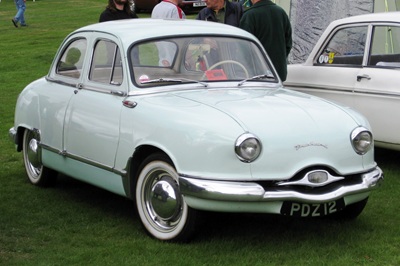
On the Dyna Z, the light body is not brochure decoration. It shapes the character of the model, its efficiency and part of the marque’s economic difficulty.

Simca did not begin from a blank page. The marque was built around Henri Pigozzi to manufacture in France Fiat cars that had become too expensive to import.

Sainte-Maxime is more than a shoreline resort. Its promenade, the Tour Carrée, planted relief and the place of mimosa give the commune a denser reading.

The Festival de Ramatuelle is not prepared like a simple stroll through a square. Ticketing, arrival time and the hill village matter almost as much as the performance itself.
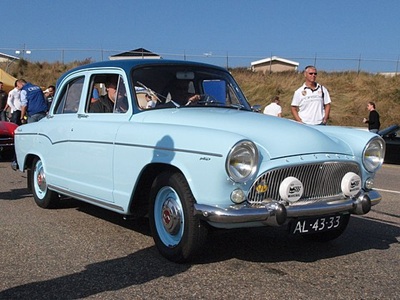
The P60 does not begin from a wholly new shell, yet its nose, roofline and interior are enough to push the Aronde into another era of style.

Fort Freinet matters for more than its ruins. The path, the height and the distance from the coast explain another reading of the gulf, more mineral, more wooded and more deeply medieval.

Gassin is read through its height. Ramparts, garden, church and the broad view over the gulf give the village unusual density despite its tight footprint.

The Mini answered a practical brief: four usable seats, low fuel use and as much space as possible in a very short car.

The rue Lepic episode is more than folklore. It already sums up the Renault method in 1898: prove a mechanical solution on the road before turning it into a commercial argument.
